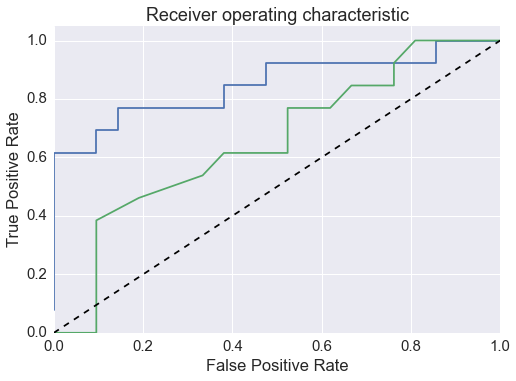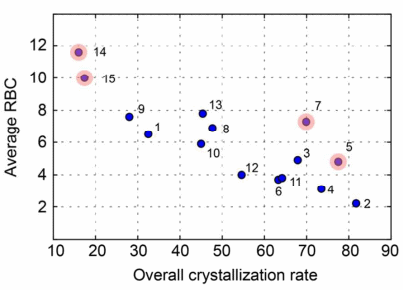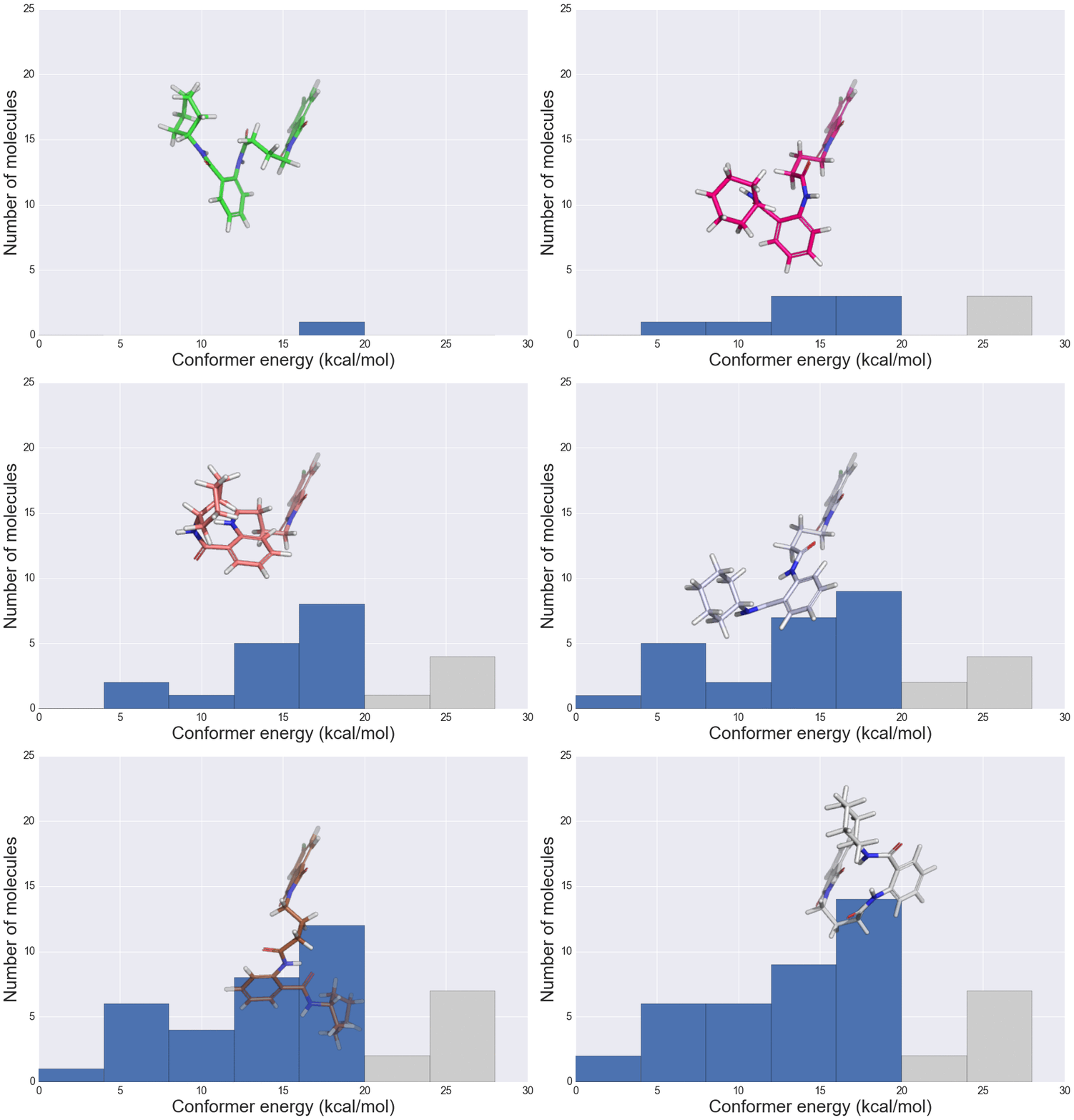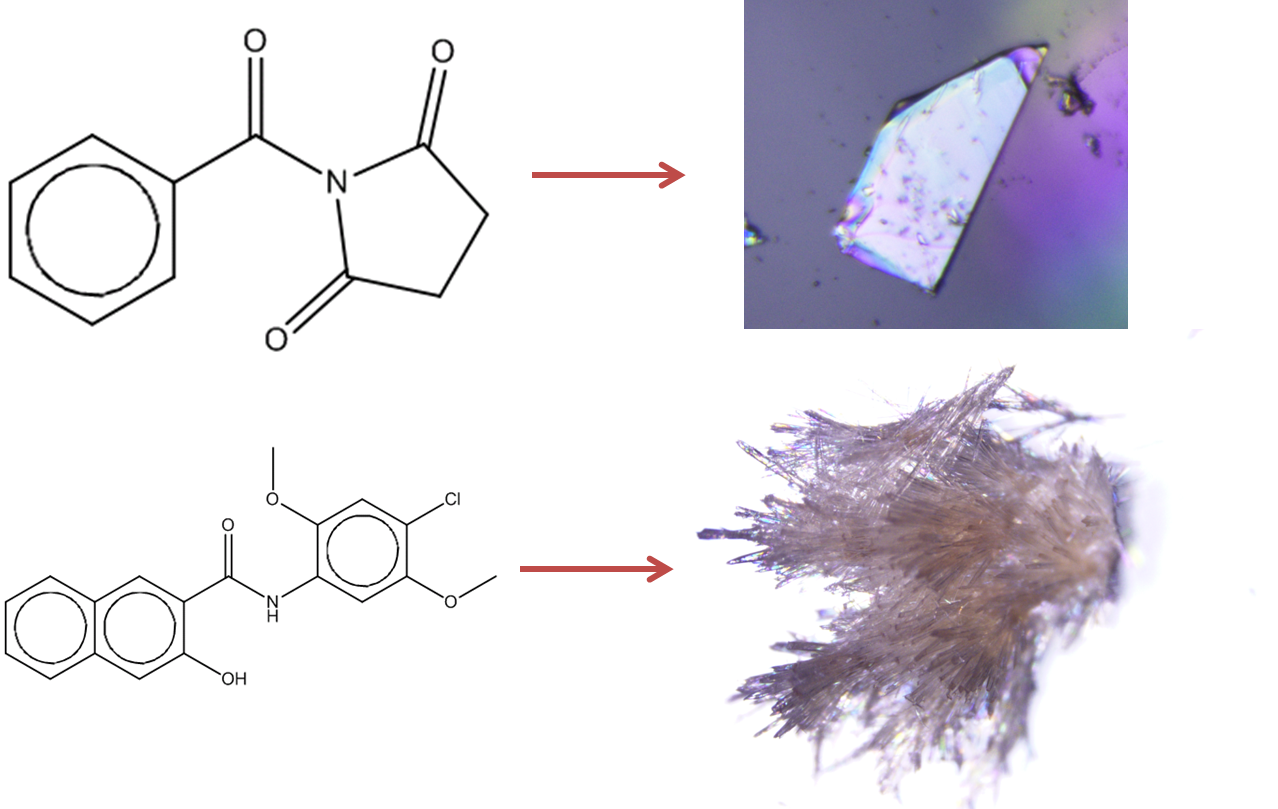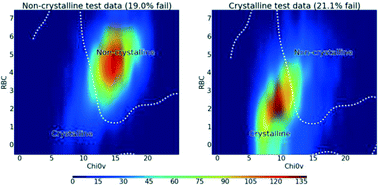
Jerome’s project is focussed on using machine learning techniques to develop predictive models for crystallisation. When not in the lab he can be found plying his trade (with great success) with Worcester College 2nd XI football or Worcester Darts 2nd VIII.

George is working on a collaborative project with Prof. Véronique Gouverneur’s Research Group to study the effect of hydrogen bonding on the nucleophilicity and basicity of tetra alkyl ammononium fluoride complexes. When he’s not praying for his products to crystallise, George spends his time running the Oxford University Darts Club and playing the trombone for the Oxford University jazz orchestra.

Following his degree in Tokyo studying supramolecular complexes of achiral surfactant molecules with racemic and chiral aromatic guest molecules, Emmanuel travelled extensively. He has worked at the Ghana Atomic Energy Commission as Senior Scientific officer; at the Department of Chemistry in University of Ghana as Senior Lecturer; at the Department of Chemistry in Mississippi State University, Starkville; at the Department of Chemistry in University of Washington, Seattle; at the Chemistry Department in Sultan Qaboos University in the Sultanate of Oman; at the University of Nizwa, in Oman as an Assistant Professor of Chemistry, as well as studying at the Department of Crystallography in University of Pittsburgh and the Structural Chemistry Laboratory in University of Witwatersrand, South-Africa.
Since 2010, Emmanuel has been working at the Chemistry Department at the University of Cape Coast in Ghana as an Associate Professor and he is working hard to establish the first crystallography laboratory in Ghana to serve Ghana Scientific Institutions and those in the West-Africa sub-region. Emmanuel’s current research is centred on structural studies of self assembly structures that aggregate through O-H…N, N-H…O and O-H…O inter/intramolecular interactions, with special emphasis on those that possess functional molecular properties.
Chiralabs are long-term collaborators and world-leading experts in a wide range of spectroscopic, physicochemical and theoretical approaches including in chirality, circular dichroism, optical spectroscopies, crystallization and biopharmaceutical analysis. Specialist areas of investigation include:
- Molecular chirality & enantiomeric composition
- Crystal growth, polymorphism & solubility
- Biomacromolecular structure, folding and properties
- Biopharmaceutical development & spectroscopic fingerprinting
- Spectroscopic & physicochemical characterisation
Chiralabs is also the home of CrystalGEM, the internationally award winning rational crystallisation screening technology that has revolutionised the screening of pharmaceutical polymorphism, morphology and crystal growth.
Emma’s research is focussed on developing a better understanding of the solid state. She is using a three pronged attack, studying the crystallisation of chalcones; examining the effect of temperature on a material that undergoes a phase transition, and investigating the World’s Favourite Space Group, P21/c. She is using a wide range of probes, including the Cambridge Structural Database, dSNAP, Laue Diffraction, Solid State NMR and Variable Temperature Single Crystal Diffraction as well as collecting data at Diamond. When not fighting to grow crystals or preparing dinner for the team at Diamond, she enjoys dancing, but refuses to perform for the group.
The 18th International Union of Crystallography Congress and General Assembly was held in Glasgow in August 1999. Those attending from the Chemical Crystallography Laboratory in Oxford were:
Professor Keith Prout, Dr David Watkin, Dr Theirry Maris, Richard Cooper, Clare Keats and Ibrahim Tahir.
- Clare Keats’ poster Clare Keats looking bewildered by the unprecedented interest in her poster, “Development of a Crystallisation Screen for Organic Compounds”.
- (L to R) Clare Keats, Theirry Maris and Richard Cooper head on down the the conference centre by taxi. Photography by M.I.M.T. In a taxi
- Richard giving a talk and demonstration of the latest CRYSTALS software.
- Theirry Maris presents “Phase Transitions in the Thiourea Cyclooctane Inclusion Compound” to the world. The poster was highly commended by the judges of the Oxford Cryosytems poster prize for innovative low temperature studies. And it wasn’t even entered.
- David Watkin and Paul Beurskens chairing a jam-packed and very well recieved session under the title “Difficult Structures”.
- Ibrahim Tahir casually presents his poster, “Chiral Recognition and Crystal Structures of DCA Inclusion Compound with Limonene”, to much acclaim from other delegates working in the DCA field.
- Ibrahim in front of the giant metallic “armadillo” which houses the conference centre’s main auditorium.
- The delegate reception: Food is in short supply, (especially for a 15 quid a head event) and Ibrahim scans the upper galleries for signs of a waiter. Meanwhile Clare contemplates her next trip to the bar.
- Art Keats, Maris and Cooper nonchalantly pose around the gallery with their glasses of wine, feigning interest in the paintings and exhibits. “Yes, I do like the use of light in this one”. “The attention to detail is simply exquisite”.
- The young crystallographers take a rare break from their punishing conference schedule to grab a quick cup of coffee.
- Clare pulling a face (L to R) Ibrahim, Clare and Theirry. Clare has been given cheap wine by one of the catering staff, and isn’t at all impressed.
- The inhabitants of 9 Parks Road, Oxford posing in front of a Storm Trooper in the Kelvingrove Art Gallery and Museum in the West end of Glasgow.
- Richard presents a talk entitiled “Crystallographic Tools for Chemists” to the IUCr Teaching Commission open meeting.
J. Appl. Cryst. (1972), 5, 250. [ doi:10.1107/S0021889872099996 ]
The principle of this apparatus is not new (Hope, 1971), but it is reported because of interest shown in its simplicity by visitors to this laboratory. Small samples of the solute are heated in a saturated solution in a poor solvent, and convection and diffusion used to convey the solute to a cooler region where it is deposited as single crystals.
Publisher’s copy